The most effective ways to improve gut health naturally: add fermented foods daily, get more fibre (both kinds!), take a targeted probiotic, eat more plant variety, manage stress, protect your sleep, and move your body. Most people notice real differences in digestion and energy within 2–4 weeks. Read on for how to do each one — plus the gut health products our community has actually tried and loved.
If you’re like most of us trying to juggle health goals with the reality of a busy grocery run, you’ve probably stood in the gut health aisle wondering: does any of this actually work?
Here’s what we found: the right products really do make a difference — but only when real people have tested them and told you the truth about what happened.
That’s exactly what Social Nature is built for. Our community of real shoppers tries better-for-you products at home and shares their honest take. No paid reviews, no brand-written copy. For this guide, we pulled together the gut health products our community has trialled through sampling campaigns — the ones that genuinely showed up in people’s lives.
The result? A practical guide to improving gut health, backed by science and by thousands of real reviews from people just like you.
Ready to find products your whole family will actually use? Keep reading — and check out the latest offers on Social Nature to try some of these before you commit.
→ Browse gut health offers: socialnature.com
What Our Community Is Saying About Gut Health
We’re not going to bury the community reviews at the bottom. You came here for the real talk — so here it is first.
Across five gut health campaigns, some consistent themes kept showing up in our community feedback:
| What our community rated | Rating | What Reviewers Said |
| Taste & Drinkability | ★★★★★ | “Finally something I look forward to” |
| Digestive Comfort | ★★★★★ | Most-mentioned improvement after 2–3 weeks |
| Ease of use | ★★★★★ | Fits into busy routines, no prep needed |
| Trust in ingredients | ★★★★★ | Clean labels mentioned as reason to repurchase |
A deeper dive 👇
• Taste and drinkability: “Finally something I actually look forward to.” Multiple reviewers across both Big Easy Pop and Humm Kombucha noted they didn’t feel like they were “taking medicine” — it tasted like a treat.
• Digestive comfort: Bloating and discomfort were the #1 thing people hoped to fix — and the most-mentioned improvement after 2–3 weeks of consistent use.
• Ease of use: The single-serve formats (probiotic shot, sparkling drink, powder) fit into busy routines without extra effort. No prep, no fuss.
• Trust in the ingredients: Clean labels, organic certifications, and recognisable ingredient lists were repeatedly mentioned as the reason people kept buying after the trial.
Honest consideration our community flagged: Results take consistency. Almost every reviewer who noticed big improvements had used the product daily for at least 2–3 weeks. One-and-done doesn’t work for gut health — but the people who stuck with it? They noticed.
What our community discovered: gut health doesn’t have to be complicated or expensive. The right products fit into your normal grocery run.
7 Ways to Improve Your Gut Health
Let’s get into it — the strategies that actually move the needle, with the products our community tested alongside each one.
1. Add Fermented Foods to Your Daily Routine
When food is fermented, live beneficial bacteria — probiotics — are produced naturally. Eat them regularly and you’re actively restocking the good bacteria in your microbiome. It’s one of the easiest, most evidence-backed things you can do for your gut.
One thing to watch on labels: look for “organic,” “raw,” or “unpasteurised.” Pasteurisation kills the live cultures — which defeats the whole point.
Here’s what we found: two fermented products our community tried stood out for actually making this easy.
Humm Kombucha: Organic Probiotic Kombucha
Organic and raw with live probiotic cultures · Naturally fermented · Low sugar
Humm’s mission from day one was simple: make a kombucha that’s genuinely delicious, not just good for you. They achieve that with real fermentation — live and active cultures in every bottle — without the sugar crash of a regular soda. Eight grams of sugar (versus 39g in most sodas) and flavours that actually make you want to reach for it instead of something else.
→ Learn More: socialnature.com/organic-probiotic-kombucha
⭐ Community review:
The OG
“Humm is the very first brand of probiotic beverage you could buy in the store before it went crazy. I do like some others but Humm will always be my go to as a quick grab to drink from the store. I do believe it helps with my gut, it’s tasty and I love their unique flavors.” – Ryanne
—
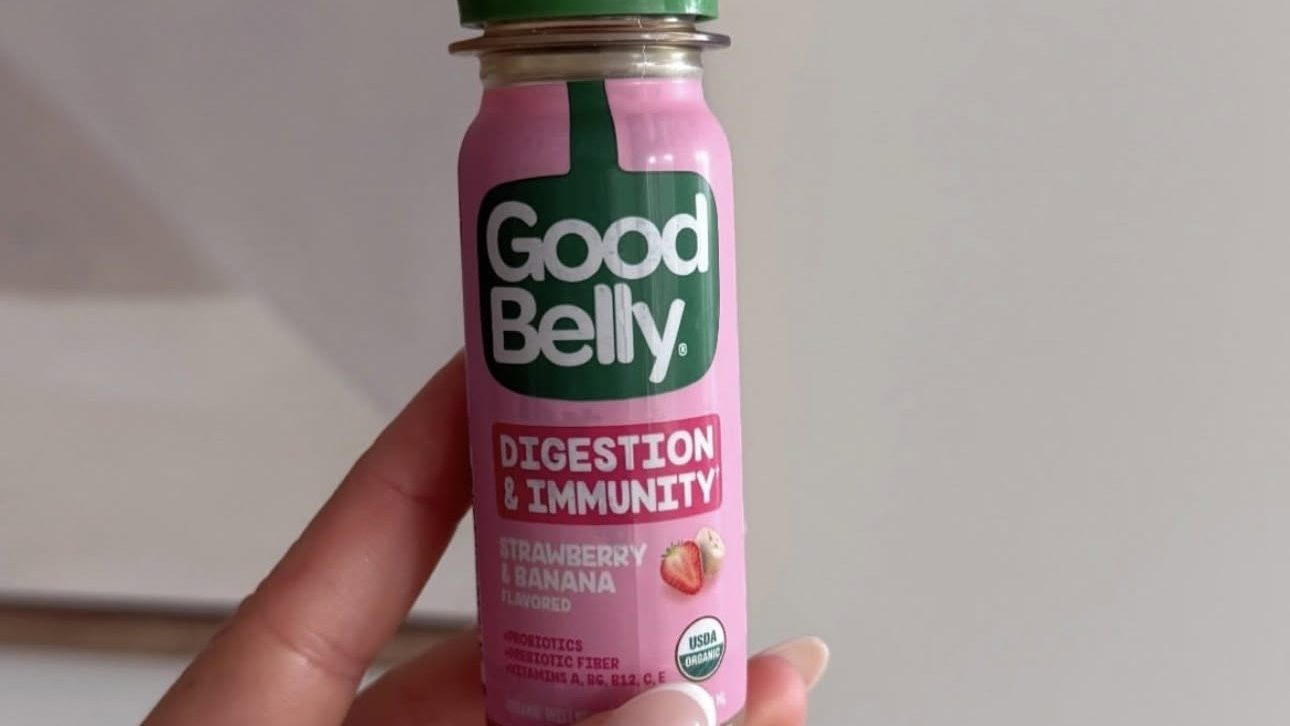
GoodBelly: Daily Organic Probiotic Shot
1 Billion CFU DE111® · Organic · Dairy-free, soy-free, gluten-free · 3.4 fl oz
GoodBelly built its reputation on one specific probiotic strain: Bacillus Subtilis DE111® — clinically tested and proven to survive the journey through your stomach acid and actually reach your intestines, where it matters. The daily shot format makes it almost impossible to forget: tiny bottle, done in a second, genuinely works. Dairy-free, soy-free, gluten-free — built to work for most families without the ingredient asterisks.
→ Learn More: socialnature.com/daily-probiotic-shot
⭐ Community review:
Amazing Product
“Probiotics are a must for me. I keep these small Plus Shots in my refrigerator at home, in the garage and at the house I am restoring. Whenever I need a boost, I choose GoodBelly. I’ve been told I need calcium and this product has it along w/low sugar content. Pomegranate Blackberry is the best taste ever!. A great buy for health & energy!” Peggy T.
2. Get More Fibre — Both Kinds Matter
Most people aren’t getting nearly enough fibre — and the type matters as much as the amount. Prebiotic fibre (found in oats, garlic, and psyllium husk) is food for the good bacteria already living in your gut. Feed them well, and they thrive. Soluble fibre forms a gentle gel as it moves through your system: it slows things down in a good way, feeds your bacteria, and helps keep blood sugar steady. Insoluble fibre keeps things moving.
Most adults need 25–35g per day. Most of us get less than half that.
The science backs up what people are experiencing: prebiotic fibre is one of the most consistent predictors of a diverse, healthy microbiome. And if you’re not hitting your numbers through food alone, a clean supplement closes the gap without the usual side effects.
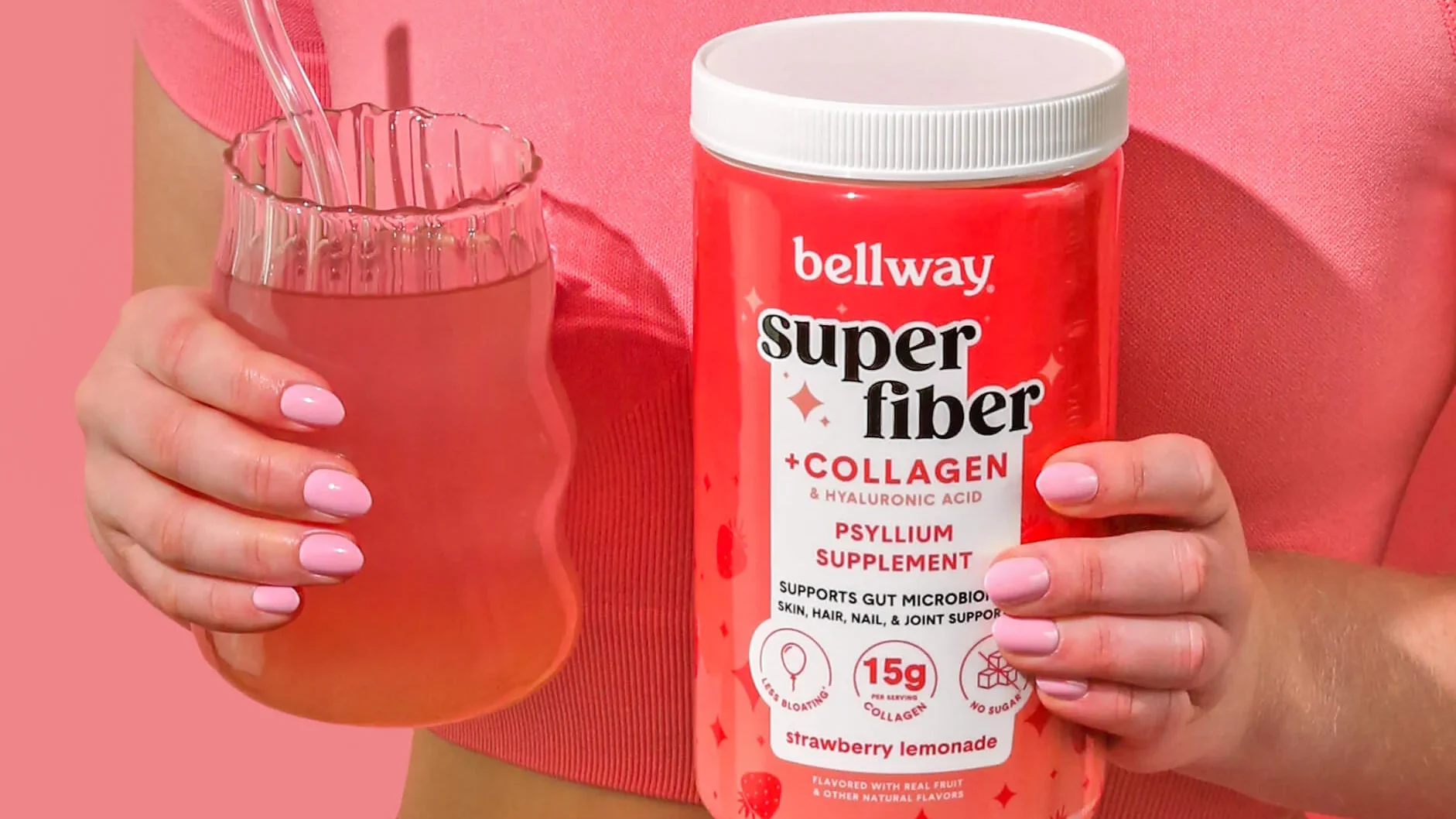
Bellway: Natural Fiber Supplement
USDA Organic psyllium husk · 5g prebiotic fibre per serving · Sugar-free · Plant-based · Non-GMO
Bellway was created specifically to address the most common complaint about fibre supplements: the gas and bloating they cause. They use organic psyllium husk — one of the most studied prebiotic fibres — with real fruit flavour, zero artificial sweeteners, and a formula that’s noticeably gentler than the big-box alternatives. Find it at Walmart, Target, and natural food retailers.
Key benefits: 5g prebiotic fibre · USDA Organic · No psyllium-related bloating · Naturally flavoured
→ Learn More: socialnature.com/natural-fiber-supplement
⭐ Community review:
Bellway Natural Fiber
“One of the things I appreciate most about Bellway is that it doesn’t have an artificial taste or texture like some other fiber supplements. It mixes well with water or juice and doesn’t leave a gritty aftertaste. The fact that it’s made with clean ingredients, free from artificial additives, is a big plus for me. Overall, I would recommend Bellway Natural Fiber to anyone looking for a natural, effective way to support their digestive health. It’s gentle, easy to incorporate into your routine, and it really works!” Bianca R.
3. Try a Good Probiotic Supplement
Food is always the best starting point, but a targeted probiotic supplement can do things food alone can’t — delivering specific bacterial strains in high concentrations, right where they’re needed. Especially helpful if you’ve been on antibiotics, eaten a lot of processed food lately, or just want to be intentional about gut support without overhauling your whole diet.
What our community discovered: not all probiotic supplements are created equal. The ones that made the biggest difference had multiple strains (not just one), high CFU counts (30 billion+), and ideally digestive enzymes too.
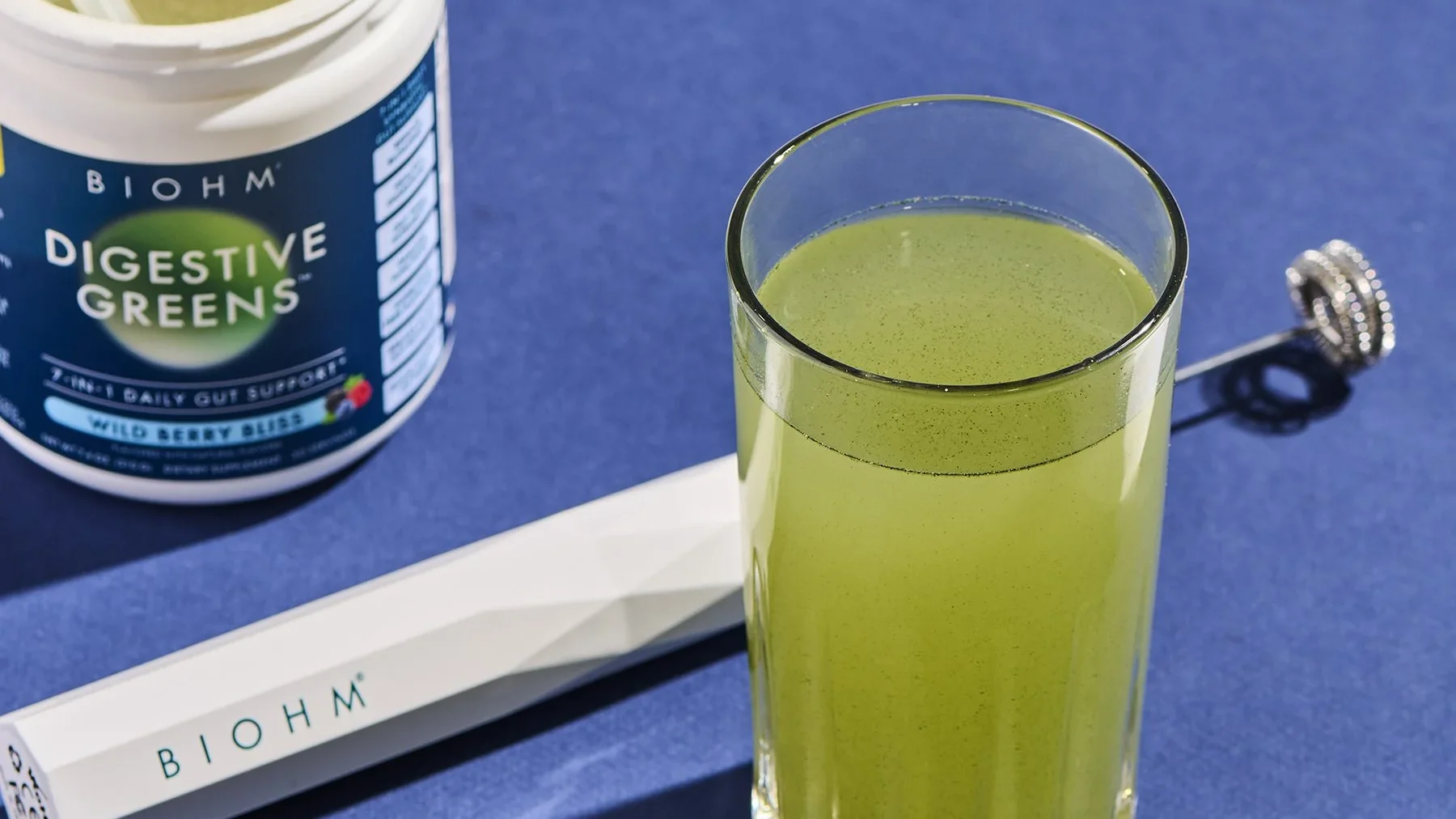
BIOHM: Probiotic Supplement Mix
30 Billion CFU · 4 bacterial strains + amylase enzyme · Vegan · Non-GMO · Clinically studied
BIOHM was developed by a gastroenterologist with a very specific goal: to address digestive plaque — the sticky biofilm that can form in the gut and trap harmful bacteria. Their formula combines four bacterial strains (Lactobacillus acidophilus, L. rhamnosus, Saccharomyces boulardii, and Bifidobacterium breve) with amylase, a digestive enzyme that helps break down food alongside the probiotic bacteria. Clinically studied and vegan-certified.
Key benefits: 30B CFU · 4 strains · Digestive enzymes included · Targets biofilm buildup
→ Learn more: socialnature.com/probiotic-supplement-mix
⭐ Community review:
Great choice as a probiotic supplement. Use daily!
“Throughly enjoyed the digestive greens as a probiotic supplement. I think they are so important to take on a daily basis for good gut health. They help me feel let’s bloated and uncomfortable.” Michelle A
4. Rethink Your Drinks: Swap Soda for Something That Actually Helps
You know that feeling when you reach for a cold drink and genuinely can’t decide if it’s going to be worth it? Regular sodas — high-fructose corn syrup, artificial sweeteners, zero nutritional benefit — are quietly one of the worst things for your gut microbiome. But here’s the thing: the functional beverage world has really levelled up.
Real talk from real people: this was the habit change our community members mentioned most often as something they didn’t expect to stick — but did. When the swap tastes good, it stops feeling like a sacrifice.

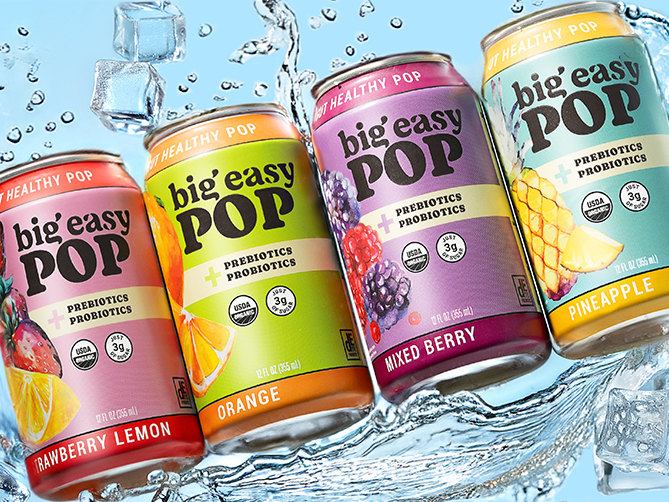
35 calories · Organic acacia prebiotic fibre · Bacillus Subtilis DE111 probiotics · Zero artificial anything
Big Easy Pop combines two gut health heavy hitters in one sparkling drink: prebiotic fibre (organic acacia) and probiotics (Bacillus Subtilis DE111 — the same clinically tested strain used in GoodBelly). Sweetened with organic agave, allulose, and monk fruit — no artificial sweeteners, no high-fructose corn syrup, no compromise on taste. At 35 calories a can, it fills the daily soda slot without the gut damage.
Key benefits: Prebiotic + probiotic combo · Organic ingredients · Low cal · Naturally sweetened
→ Try it: socialnature.com/gut-healthy-pop
⭐ Community review:
Fun Healthy Soda
“I am a sucker for anything strawberry lemonade, so this was perfect. I really enjoyed it and it didn’t have a weird aftertaste like some healthy sodas do.” – Elizabeth
5. Eat More Plants — Variety Is the Real Secret
Here’s one of the most surprising findings in gut health research: people who eat 30 or more different plant foods per week have dramatically more diverse microbiomes than people eating fewer than 10. Diversity of plants = diversity of gut bacteria = a more resilient, better-functioning gut. Herbs, spices, legumes, grains, vegetables, fruits — they all count.
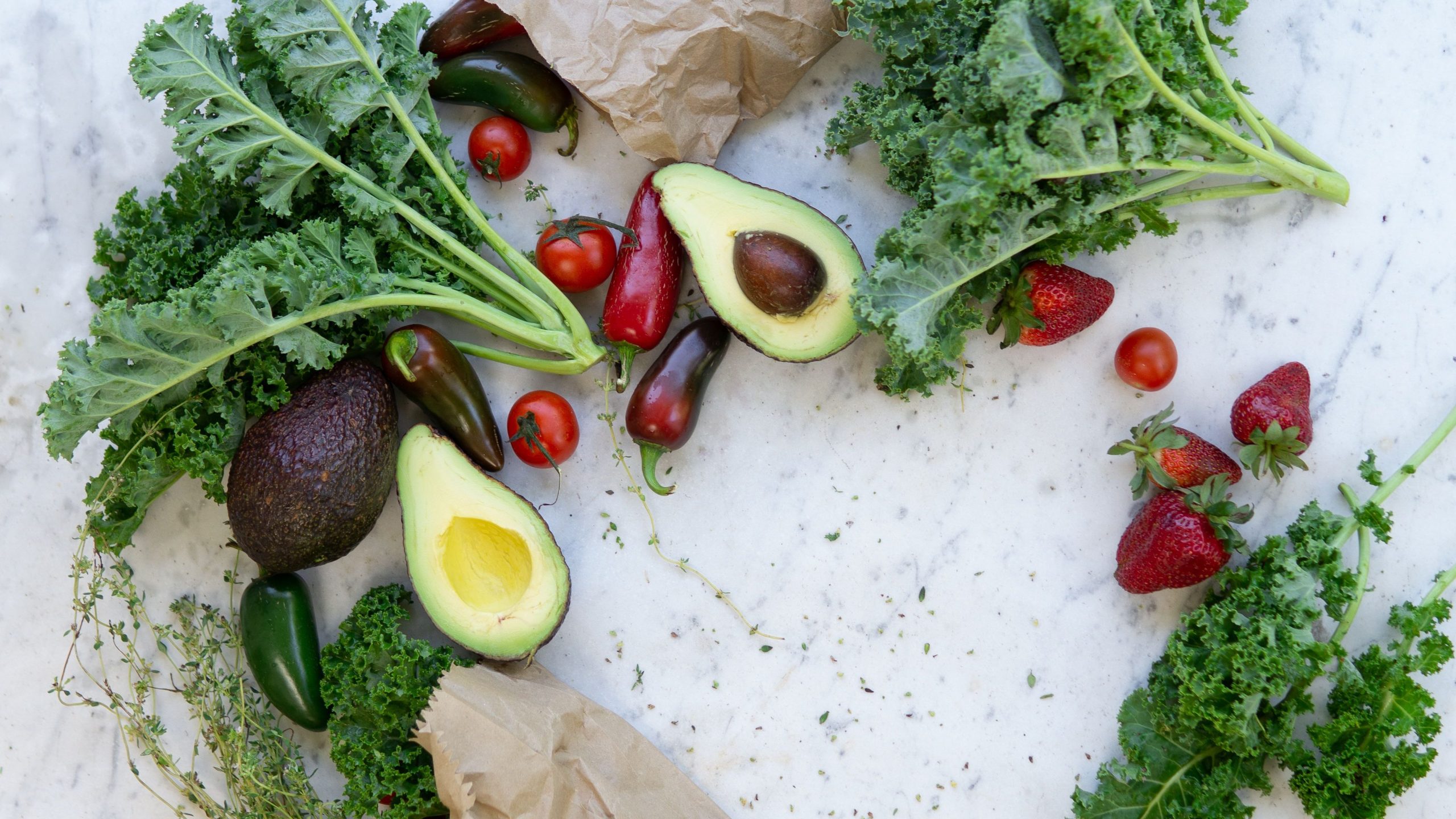
You don’t need to get there overnight. Adding one or two new plant foods per week — a different grain, a handful of seeds on your salad, a new vegetable at dinner — adds up faster than you’d think. And discovering new natural brands is one of the easiest ways to naturally eat more variety. (This is, honestly, one of our favourite things about what Social Nature does.)
The feedback was pretty consistent in our community: people who discovered new better-for-you brands through sampling campaigns ended up eating a wider variety of foods — just because they were trying new things.
6. Your Gut Feels Your Stress — and Your Sleep
Your gut and your brain are in constant two-way communication, via something called the gut-brain axis. When you’re stressed, your body releases cortisol, which can damage the gut lining and reduce microbial diversity over time. Poor sleep has very similar effects — your gut actually does a lot of its repair work while you sleep.

This doesn’t have to be a dramatic intervention. Aim for 7–9 hours so your gut can recover overnight. For stress, even 10–15 minutes of walking, stepping away from screens, or some simple breathwork can shift cortisol over time. Small, consistent, sustainable. The same philosophy that works for gut health nutrition works here too.
7. Move Your Body — Even Just a Little
Regular movement increases gut microbiome diversity — independent of what you eat. Exercise appears to help grow bacteria that produce short-chain fatty acids, which protect your gut lining and keep inflammation in check.

The bar here is lower than most people think. A 30-minute walk, a yoga session, a bike ride with the kids — consistency beats intensity every time. Your gut responds to regular, moderate movement more than it does to the occasional intense workout.
The Science Behind Gut Health (Explained Simply)
Your gut microbiome is home to roughly 38 trillion microorganisms — bacteria, fungi, viruses — all living in your digestive tract and doing something useful. A healthy microbiome is diverse: lots of different species, all playing their role in breaking down food, producing vitamins, supporting your immune system (about 70% of which lives in your gut), and communicating with your brain.
When the balance shifts — from stress, antibiotics, too many processed foods, or not enough fibre — you can end up with what scientists call dysbiosis. It doesn’t always feel obvious, but it can quietly affect your energy, digestion, mood, skin, and how often you get sick.
The research-backed claims explained simply:
- Probiotics (live beneficial bacteria from fermented foods or supplements) help replenish and diversify the microbiome
- Prebiotics (fibre that feeds those bacteria) help probiotics actually stick around and do their job
- Plant diversity directly correlates with microbiome diversity — different plants feed different bacterial species
- Stress and sleep deprivation measurably reduce microbial diversity — and can damage the gut lining
- Movement increases beneficial short-chain fatty acid production, protecting the gut lining
Family health connection: kids develop their microbiome from birth. The gut health habits you build as a family — more plants, fermented foods, less ultra-processed food — have lasting effects on everyone in the household.
How to Find These Products (and Try Them for Less)
One of the hardest parts of improving your gut health isn’t the motivation — it’s knowing what’s actually worth buying. The natural grocery aisle is full of options, and a lot of them don’t live up to the packaging.
That’s where Social Nature comes in. We connect real shoppers with better-for-you brands through honest community reviews, exclusive sampling offers, and cash back deals. So you can try something new without the risk of wasting money on something that doesn’t work.
Where to find the products from this guide:
- Big Easy Pop — socialnature.com/gut-healthy-pop
- Humm Kombucha — socialnature.com/organic-probiotic-kombucha
- GoodBelly Daily Probiotic Shot — socialnature.com/daily-probiotic-shot
- BIOHM Probiotic Supplement Mix — socialnature.com/probiotic-supplement-mix
- Bellway Natural Fiber Supplement — socialnature.com/natural-fiber-supplement (Walmart, Target, and more)
Smart shopping tips from our community:
- Start with one or two products, not five — let your gut adjust before adding more
- Give it at least 2–3 weeks before deciding something isn’t working
- The daily habit products (probiotic shot, fibre supplement) tend to have the most consistent results because they’re easy to do every day
- Check the Social Nature app for current cash back offers on natural brands — sampling campaigns run regularly, and new gut health products come up often
Don’t just take our word for it — try it yourself.
→ Join thousands of families exploring better-for-you products: socialnature.com
Frequently Asked Questions About Gut Health
A: Most people start noticing real differences in digestion and energy within 2–4 weeks of making consistent changes. A deeper shift in microbiome composition usually takes 1–3 months. The key is consistency — your gut responds to daily habits, not one-off good days.
A: Fermented foods (kombucha, kefir, yogurt with live cultures, kimchi, sauerkraut) are your gut’s best friends. High-fibre foods like legumes, oats, vegetables, and fruits are close runners-up. And variety really matters — aiming for 30 different plant foods per week is one of the most impactful single changes you can make.
A: Yes — organic, raw kombucha contains live probiotic cultures created during fermentation, which can genuinely help diversify your gut microbiome. Look for “live and active cultures” on the label and go for unpasteurised options where possible, since pasteurisation kills most of the beneficial bacteria.
A: Probiotics are live beneficial bacteria (from fermented foods or supplements). Prebiotics are the fibre that feeds those bacteria. You need both — prebiotics help probiotics actually stick around and do their job. Think of prebiotics as the food, and probiotics as the guests you want to keep coming back.
A: They can, when you choose a good one, so look for multiple bacterial strains (not just one), a high CFU count (30 billion+ is a solid benchmark), digestive enzymes if possible, and clinical backing. Supplements are especially helpful after antibiotics, or if you genuinely struggle to get fermented foods into your daily routine.
A: Ultra-processed foods, excess added sugar, artificial sweeteners (especially aspartame and sucralose), and heavy alcohol are the big ones – They reduce microbial diversity and feed less-helpful bacteria. Even cutting back partially tends to show real results within a few weeks.
A: Stack the changes, adding fermented foods, a quality probiotic supplement, and more fibre all at the same time — while cutting back on ultra-processed foods — tends to produce the fastest results. Most people who commit to this combination notice meaningful improvement in digestion and energy within 2–3 weeks.
A: Your body will tell you. Digestion feels more comfortable and regular. Bloating after meals goes down. Energy steadies out. Your mood feels more even. Skin looks better. You stop getting sick as often. Track how you feel over 4–6 weeks — the pattern usually becomes clear.
The Bottom Line
You don’t need a dramatic overhaul. Eat some fermented foods. Get more fibre. Try a probiotic. Add more plant variety to your plate. Be sure to protect your sleep, move a little more, and find products you actually enjoy — because the habits that stick are the ones that feel good, not like punishment.
Every product in this guide has been tried by real people through Social Nature sampling campaigns — and they’re all available at grocery and natural food retailers across North America.
Ready to see what the buzz is about? Check out the latest gut health offers on Social Nature and try something new with cash back to back you up.
→ Browse gut health offers: socialnature.com
→ Join thousands of families who’ve made the switch to better-for-you products: socialnature.com